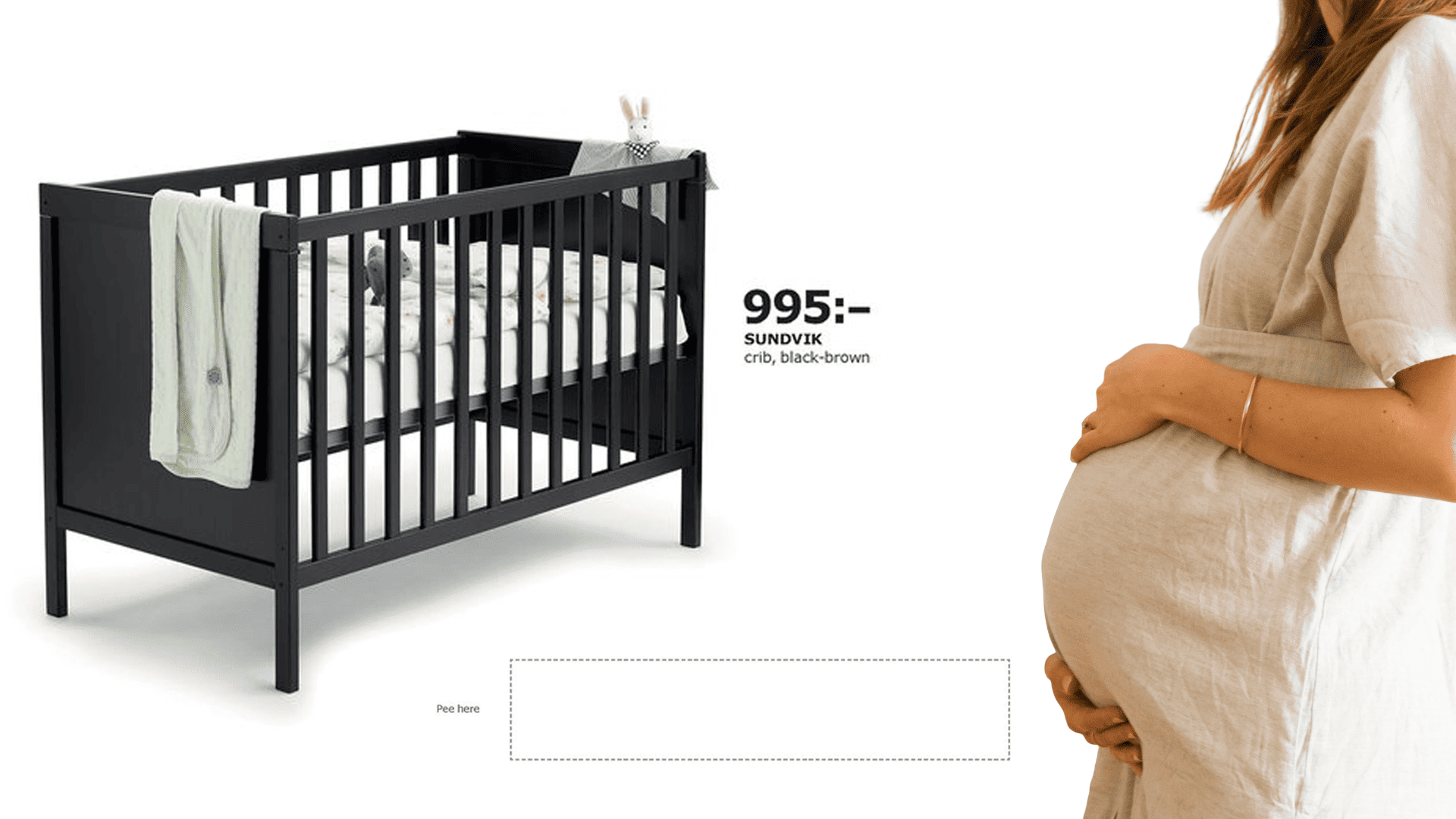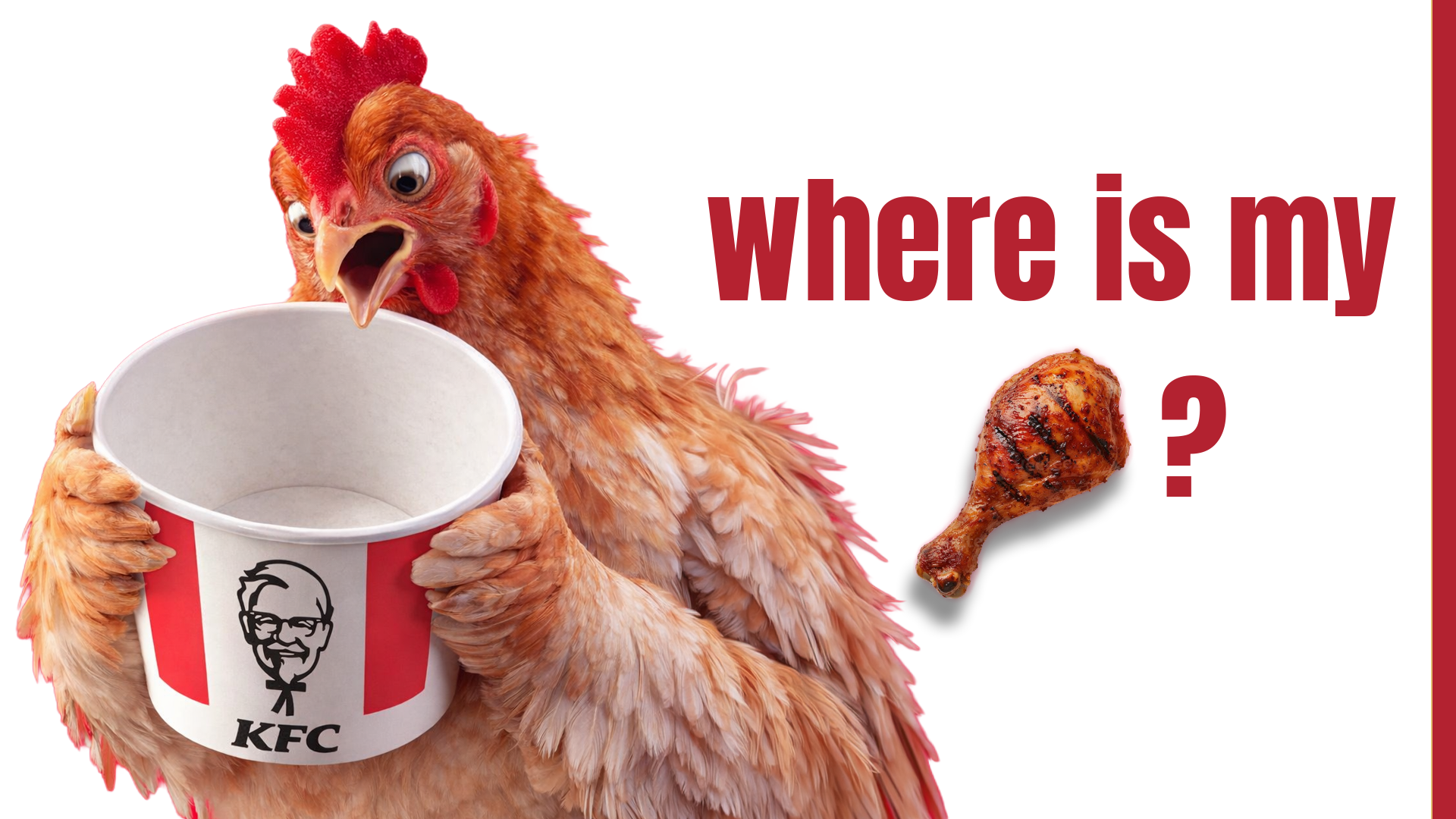
In the crowded marketplace of brand messaging, reason and refinement tend to drive the playbook. But once in a while, a campaign arrives that seems to be that seems entirely unhinged; Borderline absurd and yet, inexplicably, it not only works but does so brilliantly.
There are two in particular that stand out in recent marketing history: the surrealist RC Cola commercial from the Philippines and the long-standing “Will It Blend?” from the Blendtec video series. Both these brands subverted from traditional storytelling. Neither had the usual sales pitches. And both were viral touchstones that actually made an impact.
The RC Cola Philippines Ad: A Surreal Marketing Campaign That Went Viral
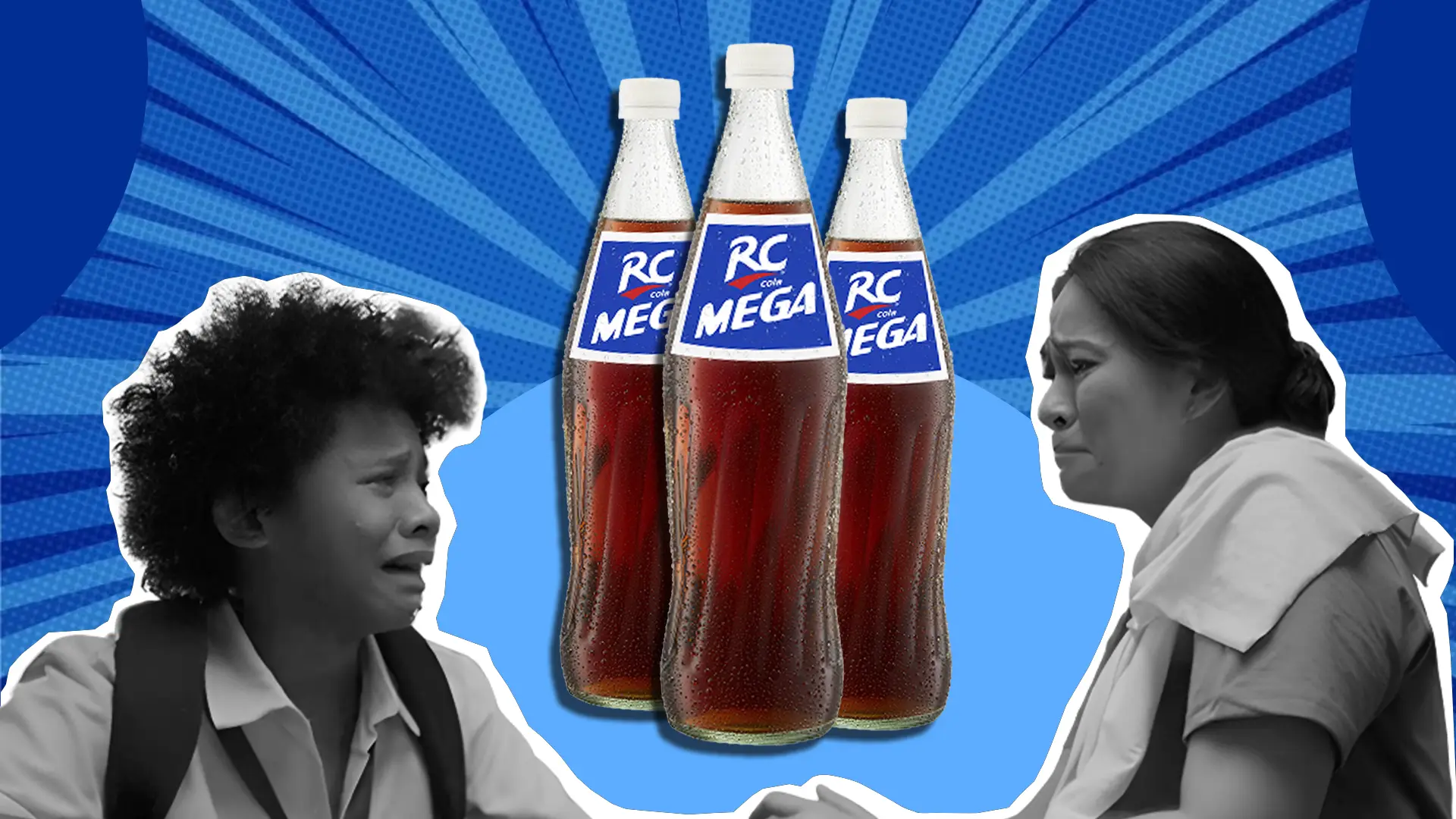
When RC Cola Philippines debuted a television commercial, it began in a way that many viewers would predict: a teenage boy comes home distraught and asks his mother one of the oldest questions in the book — “Am I adopted?”
The result was anything but predictable. The emotional tension builds, but rather than a tender reveal, the boy takes off his shirt to show four drinking glasses implanted in his back. The mother, now emotionally overwhelmed, rips off the top of her head to reveal an RC Cola bottle lodged in her skull. Without moving a muscle, they lean into each other. The family drinks soda. The screen goes black and, in white letters, reads one word: “Basta RC Cola.” (“Because… RC Cola.”)
The ad soon went viral, transcending into a national and international sensation. Viewers were shocked, entertained, baffled, and thoroughly intrigued. It was dissected on the internet, rewatched time and time again, converted into memes and plundered at length in video essays. Its power wasn’t in product features or rational messaging but in tapping into something more, well, cultural: the Filipino craving for melodrama, surreal humour, emotional storytelling.
Why the RC Cola Philippines Ad Worked Without Following Any Advertising Logic
By boldly embracing the absurd and wrapping it in authenticity, RC Cola was able to launch a campaign that would spark emotional and social reaction. Within 48 hours, the brand observed a spike in brand mentions, digital reach and consumer sentiment. A soda that had quietly sat on store shelves was now a pop culture phenomenon.
RC Cola wasn’t explaining the product — it was making the product a new symbol within a strange, unforgettable story. It made people talk. And talking, in marketing, is often synonymous with remembering.
Blendtec’s ‘Will It Blend?’: A Viral Marketing Campaign Built on Product Demonstration
Half a world away, a blender maker was asking a very different question: ”Will it blend?
In the early 2000s, Blendtec revolutionized the blender industry with its groundbreaking design that could effortlessly pulverize just about anything you could throw at it. But it had to show, not tell. So founder Tom Dickson started posting videos of himself blending strange, sometimes ridiculous things in the standard Blendtec machine.
The videos were very basic, dryly delivered and visually hypnotic. An iPhone. A rake handle. A handful of marbles. Each episode concluded in the same manner: the item was reduced to a powder or a paste, and the blender churning normally.
The formula was exact: no flashy graphics, no pugnacious branding, just raw evidence of power, while a droll, deadpan host looked on. The juxtaposition of casual language and the wrecking of costly objects became a spectacle in itself.
How the “Will It Blend?” Campaign Increased Blendtec Sales and Brand Awareness
“Will It Blend?” grew into one of YouTube’s first viral hits. The ad drive received tens of millions of views, and earned copious media mentions, but best of all it translated into business success. Sales surged by more than 700%, and the company became a dominant force in a fiercely competitive market of click-to-buy appliances, all with just a fraction of a typical advertising budget.
By embracing curiosity and surprise, Blendtec produced content that was useful (to its audience), incredibly engaging, educational and persuasive (often all in less than two minutes per episode).
What Absurd and Unconventional Marketing Campaigns Teach About Branding Today
On their surfaces, RC Cola and Blendtec have little in common: One is surreal and emotionally charged, the other subdued and visually oriented. But both campaigns worked on the same principle: memorable, culturally resonant storytelling that defies conventional expectations.
RC Cola did well by tuning into culturally-bound story patterns—melodrama, family politics, twists and turns. It did not sell soda; it made a short film that evoked emotion and conversation.
Meanwhile, Blendtec was betting on anecdotal evidence served with surprising humour combined with entertainment. It made product performance itself into spectacle, enabling people to see functionality in a way that they couldn’t forget.
Neither brand adhered to a rulebook that looked anything like the traditional one. Both campaigns were risky. Yet they both proved that creativity grounded in cultural insight — or even visual utility — can outperform all the glossy ads in the world when it comes to reach, recall and, yes, impact.
Why Some Absurd Marketing Campaigns Work (Despite Breaking Every “Best Practice”
In a hyper-saturated digital environment, brands aren’t just vying for your attention; they’re competing for your reaction. Viewers scroll right past the perfect. They pause for the peculiar.
That’s because at its essence, both RC Cola and Blendtec prove that what feels at first like it could be too weird to work could actually be the most powerful way to slice through the noise. But those movements didn’t go viral because they were weird for weirdness’ sake. They worked because they took their audiences seriously, respected their intelligence and gave them something they would never forget.
Unhinged? Perhaps. Unsuccessful? Not at all.
FAQs
Q. What was the idea behind Blendtec’s “Will It Blend?” marketing campaign?
A. In the early 2000s, Blendtec revolutionized the blender industry with its groundbreaking design that could effortlessly pulverize just about anything you could throw at it. But it had to show, not tell. So founder Tom Dickson started posting videos of himself blending strange, sometimes ridiculous things in the standard Blendtec machine.
Q. What were the results of Blendtec’s “Will It Blend?” viral marketing campaign?
A. “Will It Blend?” grew into one of YouTube’s first viral hits. The ad drive received tens of millions of views, and earned copious media mentions, but best of all it translated into business success. Sales surged by more than 700%, and the company became a dominant force in a fiercely competitive market of click-to-buy appliances, all with just a fraction of a typical advertising budget.
Q. Why did the RC Cola Philippines ad go viral and capture so much attention?
A. The ad soon went viral, transcending into a national and international sensation. Viewers were shocked, entertained, baffled, and thoroughly intrigued. It was dissected on the internet, rewatched time and time again, converted into memes and plundered at length in video essays. Its power wasn’t in product features or rational messaging but in tapping into something more, well, cultural: the Filipino craving for melodrama, surreal humour, emotional storytelling.
Q. What was the impact of the RC Cola Philippines campaign on the brand and its popularity?
A. By boldly embracing the absurd and wrapping it in authenticity, RC Cola was able to launch a campaign that would spark emotional and social reaction. Within 48 hours, the brand observed a spike in brand mentions, digital reach and consumer sentiment. A soda that had quietly sat on store shelves was now a pop culture phenomenon.
Also Read:- Super Bowl 2026 Ads: Why They Felt Strange and Why Budweiser Felt Different